Expert in Roswell & Alpharetta
Engine Oil Leak Repair & Diagnostics
Stop the Drops and Save Your Engine
Walking out to your garage or driveway and discovering a dark, slick puddle of fluid under your vehicle is a sinking feeling for any driver. If you commute through the busy corridors of Alpharetta or the scenic routes of Roswell, you rely heavily on your vehicle's reliability. When your car begins to bleed oil, that reliability is immediately compromised.
Engine oil is the absolute lifeblood of your vehicle. It provides the critical lubrication, cooling, and cleaning necessary to keep thousands of metal components operating smoothly at thousands of revolutions per minute. When an engine loses its oil, the resulting friction generates temperatures so extreme that internal components will literally melt and weld themselves together, effectively destroying the engine in a matter of minutes.
At our premier auto repair facility serving Roswell and Alpharetta, we specialize in precision oil leak diagnostics and expert gasket replacement. We do not just blindly tighten bolts or wipe away the mess. We utilize advanced degreasing techniques and UV fluorescent dye testing to find the exact microscopic source of the leak, whether it is a simple oil pan gasket or a highly complex rear main seal.
Request Your Auto Repair Service Today

Ignoring an Engine Oil Leak
The Hidden Dangers
Many drivers see a few drops of oil on their driveway and dismiss it as a normal part of owning an older car. They adopt the dangerous strategy of simply "topping off" the oil once a week. This is a massive mistake. Ignoring an active oil leak leads to secondary damage that far exceeds the cost of fixing the original leak
Catastrophic Engine Starvation
The most obvious danger. If a minor leak suddenly ruptures into a major blowout while you are driving down GA-400, your engine will be starved of oil before you even have time to pull over. This results in complete engine seizure.
Severe Fire Hazard
Oil does not just drip straight down. At 60 miles per hour, wind pushes leaking oil backward across the entire underside of your car. If hot motor oil drips onto your blistering-hot exhaust manifold or catalytic converter, it can instantly ignite, causing a catastrophic engine bay fire.
Destruction of Rubber Belts and Hoses
Engine oil is a petroleum-based solvent. If it leaks onto your serpentine belt, radiator hoses, or, worst of all, your rubber timing belt, it will chemically degrade the rubber. The belts will swell, soften, and eventually snap, leading to total engine failure.
Failure of the Alternator and Starter
If oil leaks directly into an electrical component like an alternator or starter motor, it will short out the electrical brushes and destroy the unit, leaving you stranded with a dead car.

Engine Oil Leaks
The Top 4 Most Common Sources
Oil Filter Housing Gaskets & Oil Coolers
The oil pan acts as the reservoir that holds all of your engine’s oil when the car is turned off. It sits at the lowest point of your vehicle, making it highly susceptible to damage from road debris, speed bumps, and extreme temperature changes.
The Symptoms:Large, dark puddles directly under the center of your parked car, or a drain plug that is constantly dripping.
The Rear Main Seal
This is the leak that mechanics and drivers dread the most. The rear main seal is a heavy-duty rubber ring that seals the rear of the spinning crankshaft where it connects to the transmission. Because of its location, we have to completely remove the exhaust system, the driveshaft, and the entire transmission just to access it.
The Reality: While the seal itself only costs about $30, the labor required to reach it is massive, making this a highly involved, high-ticket repair. We will always confirm a rear main seal leak with 100% certainty before recommending this service..
The Valve Cover Gasket
This is the most common oil leak we see, particularly on European luxury vehicles (like BMW, Mercedes, and Audi) which are prevalent in the Alpharetta area. The valve cover sits at the very top of the engine, protecting the camshafts. Its rubber or cork gasket is subjected to the highest heat. When it fails, oil leaks down the sides of the engine block.
The Symptoms: A strong smell of burning oil coming through your A/C vents when stopped at a red light, or seeing faint wisps of smoke rising from under the hood.
The Oil Pan Gasket
This is another common source of oil leaks, particularly due to its location at the lowest point of the engine. The oil pan serves as the main reservoir for your engine’s oil and is constantly exposed to road debris, impacts, and fluctuating temperatures. Over time, the gasket can degrade, crack, or lose its seal, allowing oil to escape.
The Symptoms: Noticeable dark puddles forming beneath the center of your parked vehicle, or persistent dripping coming from the oil pan or drain plug area..
The "Ultimate" Leak
Diagnosing a Blown Head Gasket
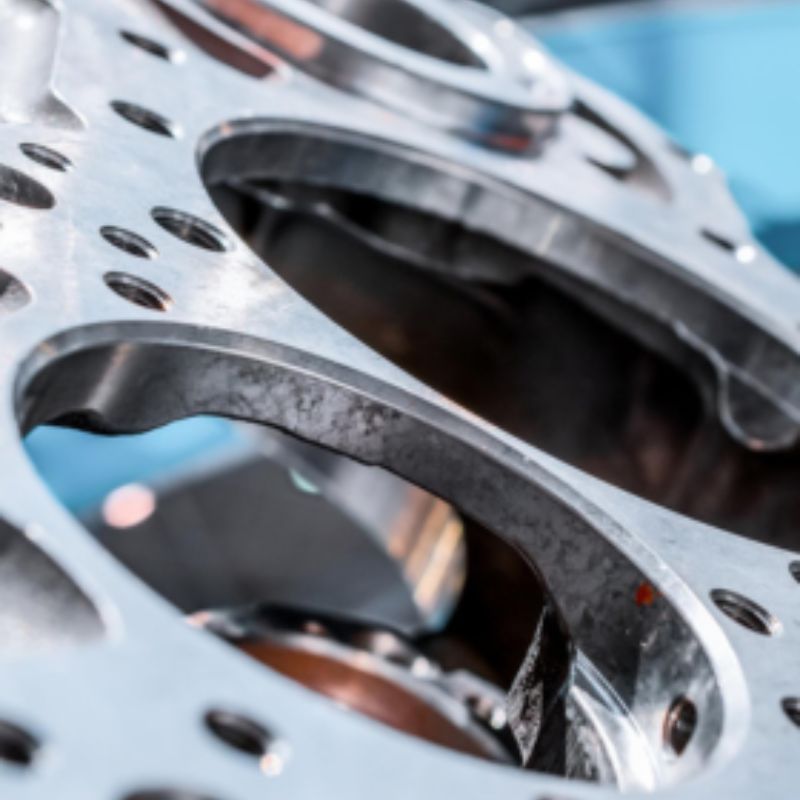
While most gaskets seal oil from the outside world, the Head Gasket has the most difficult job in your car. It sits sandwiched deep inside the engine block, simultaneously sealing highly pressurized combustion gases, liquid engine coolant, and flowing motor oil.
When a head gasket fails (often due to the engine overheating), it causes internal fluid mixing. This is a major internal engine failure.
Warning Signs of a Blown Head Gasket: You pull your oil dipstick and the oil looks like a thick, milky, brown "milkshake" (this is coolant mixing with oil). You may also see thick, sweet-smelling white smoke billowing out of your exhaust pipe, or notice your car constantly overheating without any visible external coolant leaks.
Finding the Exact Drop
Our Precision Diagnostic Process
Additive Dangers
Why "Stop Leak" Additives Will Destroy Your Engine
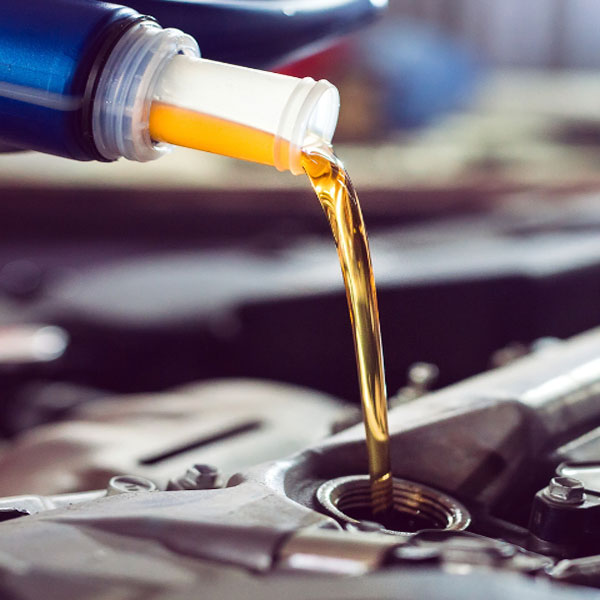
One of the most costly mistakes vehicle owners make is trusting so-called "engine oil stop leak" additives as a permanent solution. Auto parts stores are filled with inexpensive bottles promising a quick fix without mechanical repair, making them seem like an easy alternative to proper service.
However, the reality of engine design makes this approach extremely risky. These additives work by forcing rubber seals and gaskets to swell beyond their intended limits, temporarily masking leaks while disrupting the precise tolerances your engine depends on to function correctly.
Modern engines rely on controlled oil flow through microscopic passages, intricate oil galleries, and highly sensitive Variable Valve Timing (VVT) components. As these thick additives circulate, they leave behind residue that can restrict flow, reduce lubrication, and accelerate internal wear. The consequences of this type of internal contamination can be severe and often irreversible:
- Clogged oil passages that restrict critical lubrication
- Reduced performance of VVT solenoids and internal components
- Increased likelihood of severe engine damage or failure